

board review
NCCPA Scoring for PANCE and PANRE Explained
Learn how NCCPA scoring works for the PANCE and PANRE, including scaled scores, passing standards, score reports, and retake policies.
Avoid common PANCE and PANRE mistakes. Learn how blueprint weighting, scoring, and study strategy impact NCCPA exam performance.
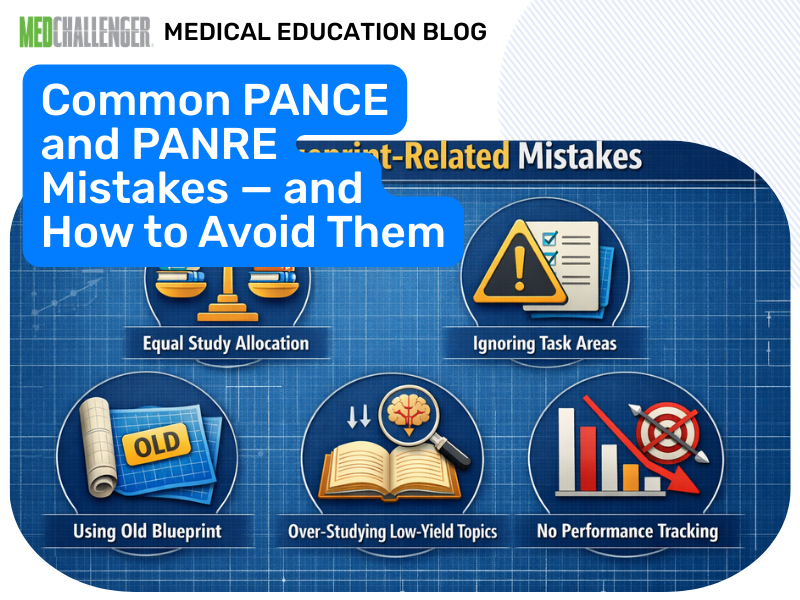
Most unsuccessful exam attempts are not caused by a lack of intelligence or effort. They are usually the result of structural misalignment between how a candidate studies and how the NCCPA exams are built. The PANCE and PANRE follow a defined blueprint, use scaled scoring, and test applied clinical reasoning through vignette-based questions. When preparation does not reflect that structure, performance suffers.
Understanding the most common mistakes made during PANCE and PANRE preparation allows you to correct course before test day. For a broader overview of certification structure, see our NCCPA Certification Guide.
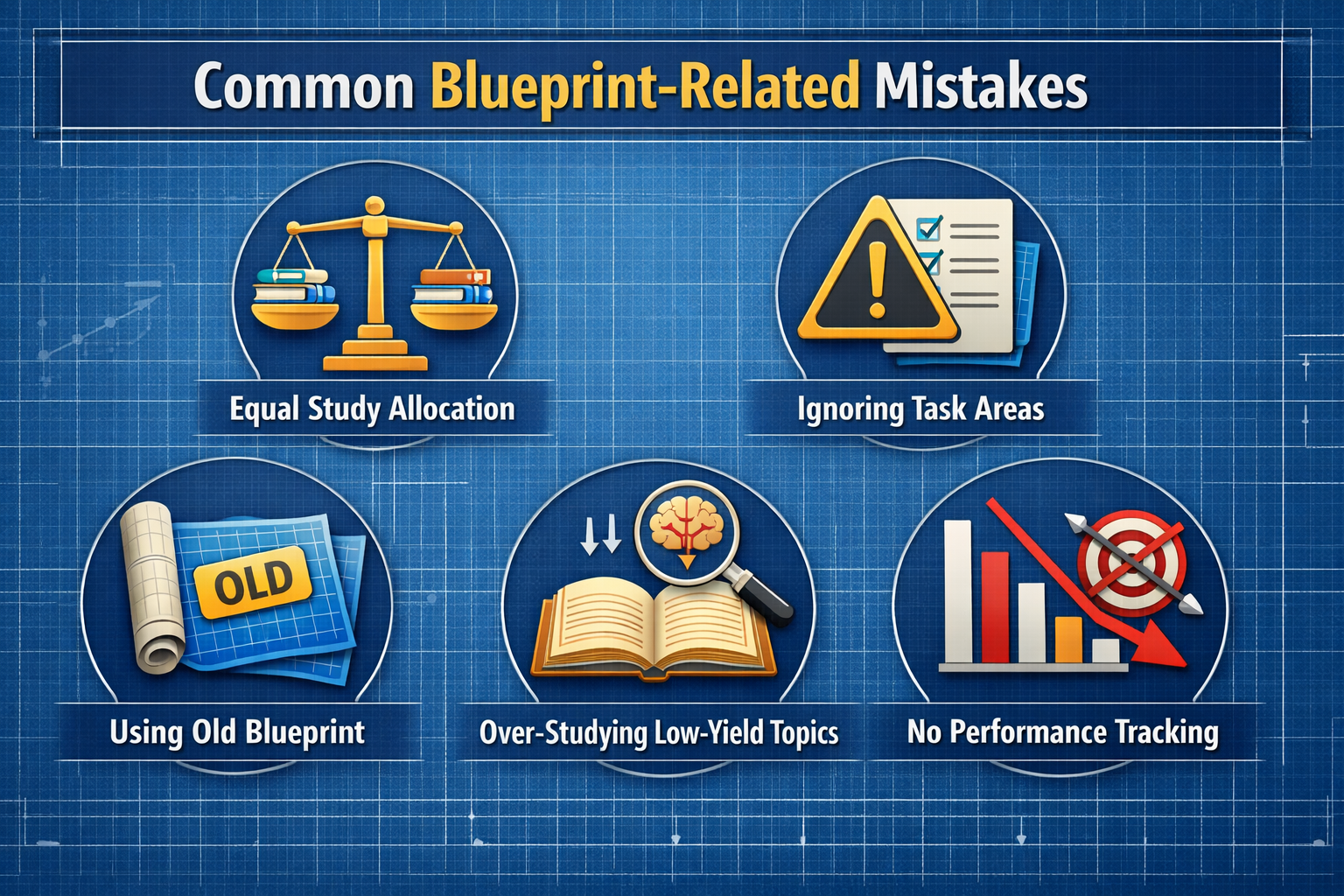
The single most common preparation error is studying every organ system equally. The PANCE and PANRE are not evenly distributed across all domains. Certain systems carry substantially greater weight.
Candidates who devote identical study time to low-percentage systems and high-percentage systems often underperform in areas that generate the most questions. Because scaled scoring magnifies performance in heavily weighted domains, weakness in these areas has disproportionate impact. The solution is deliberate proportional study. High-yield systems require more repetition, more question volume, and more targeted review.
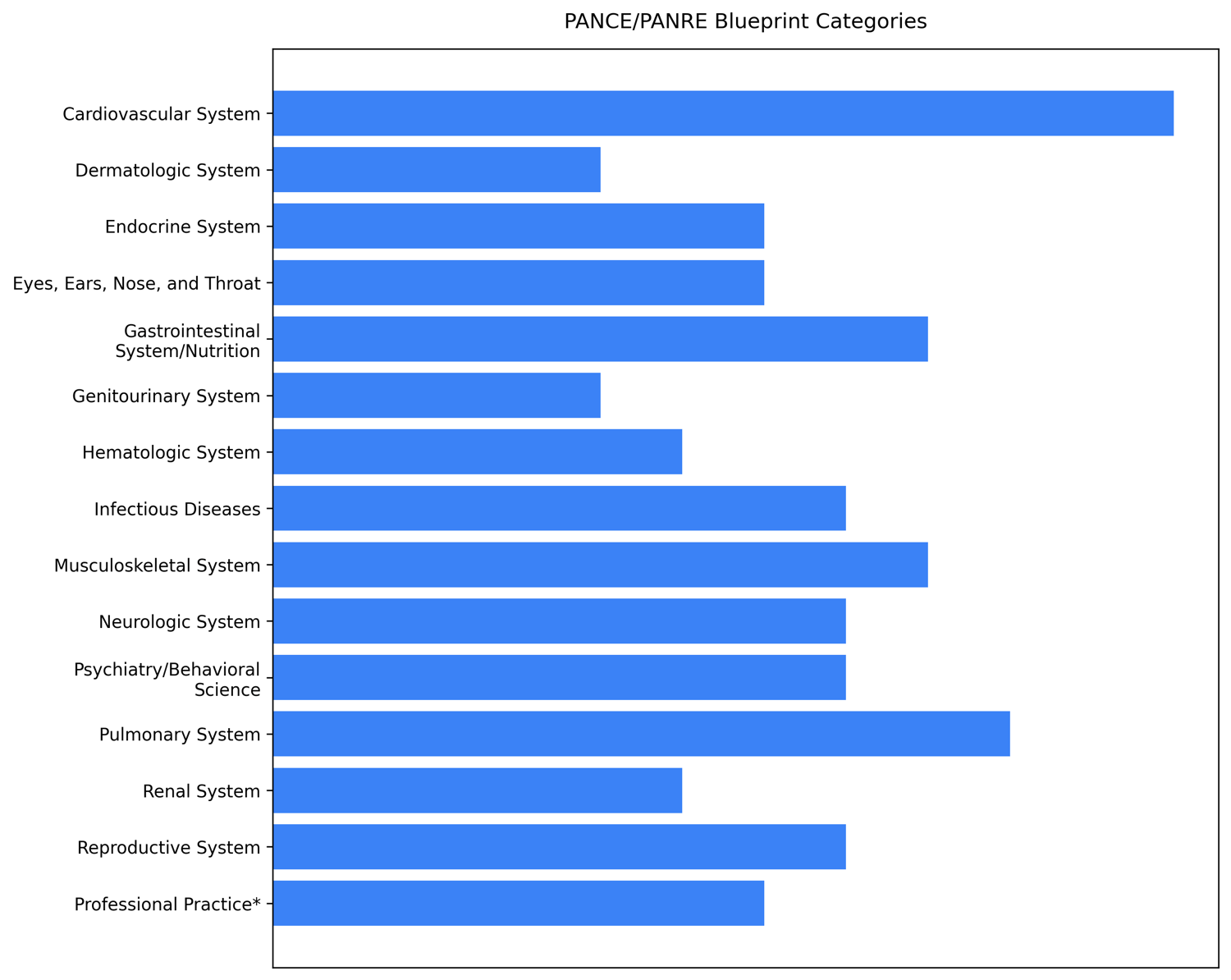
Our PANCE Blueprint Breakdown explains how to align preparation with official NCCPA weighting.
The PANCE and PANRE are vignette-based exams. They test diagnostic reasoning, management decisions, and interpretation of data — not isolated fact recall.
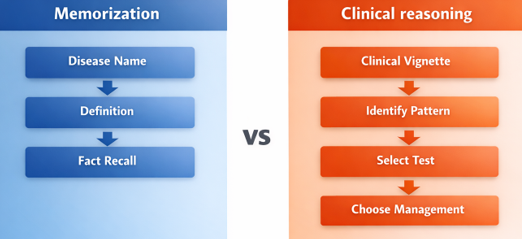
Candidates who rely heavily on passive reading or memorization often struggle when presented with layered clinical scenarios. Knowing a disease definition is different from recognizing it in a multi-step question stem.
Preparation should prioritize:
Applied reasoning must be practiced, not assumed.
Because NCCPA exams use scaled scoring rather than raw percentages, many candidates misjudge readiness based on arbitrary practice score thresholds.
Question banks vary in difficulty and blueprint alignment. A specific raw percentage on a third-party question bank does not directly translate into a passing scaled score.
Instead of focusing on a single number, evaluate trends. Are your scores improving across high-weight systems? Are careless errors decreasing? Is pacing consistent during timed blocks?
Understanding scaled scoring principles helps prevent premature exam scheduling or unnecessary delay. Our NCCPA Scoring Guide explains how official exam scoring differs from raw percentages.
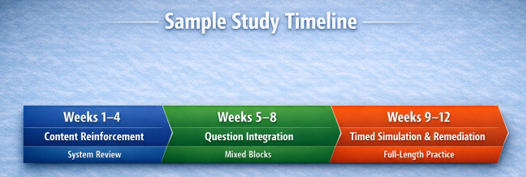
Some candidates spend the majority of their preparation reviewing content and only begin intensive question practice shortly before the exam. This approach limits development of timing control and clinical reasoning under pressure.
Question-based learning should begin early. Even during content review phases, integrating small sets of vignette-style questions reinforces application and exposes knowledge gaps.
By the final two to three weeks before the exam, most preparation time should involve timed, mixed-system question blocks that simulate the actual exam experience.
Practicing PAs preparing for PANRE or participating in PANRE-LA sometimes assume that clinical experience alone is sufficient for success. While experience provides context, it often narrows exposure to specific systems.
Recertification exams assess broad competency across all blueprint domains. A clinician who practices in one specialty may have limited exposure to other systems that still carry exam weight.
Structured review remains necessary. Distributed review through PANRE-LA does not eliminate the need for preparation.
For a structural comparison of recertification pathways, see our PANRE vs PANRE-LA guide.
Administrative missteps can create unnecessary pressure. Scheduling too close to the end of an authorization window leaves no buffer for unexpected illness or under-preparedness. Failing to confirm identification requirements can result in testing denial.
Effective exam strategy includes logistical planning. Register early, confirm documentation, and allow time flexibility within your testing window.

Our PANCE and PANRE Registration Guide outlines the full scheduling process and policies.
The PANCE and traditional PANRE are lengthy, timed exams administered in blocks. Fatigue affects performance, particularly in later sections.
Candidates who do not simulate full testing blocks during preparation often struggle with pacing and concentration on exam day. Endurance training is part of exam readiness.
Incorporate timed sessions that mirror exam length. Practice maintaining focus across multiple consecutive blocks.
When practice scores dip, some candidates panic and restart comprehensive content review from the beginning. This resets momentum and often reinforces anxiety.
A more effective strategy is targeted remediation. Identify which blueprint domain is driving lower performance and focus there. Maintain structured question practice while reinforcing specific weaknesses.
Data-driven adjustments outperform reactive overhauls.
Avoiding common PANCE and PANRE mistakes requires structural alignment between preparation and exam design. That alignment includes:
Preparation should be strategic rather than emotional.
If you are building a structured timeline, our PANCE Study Plan Guide outlines how to sequence review phases effectively.
Misalignment with blueprint weighting and insufficient question-based practice are among the most common causes.
The expectations differ, but both exams assess broad clinical knowledge and require structured preparation.
Evaluate trends rather than single scores. If high-weight domains remain weak close to your exam date, postponement may be reasonable if your authorization window allows.
No. While experience helps, blueprint coverage extends beyond most single-specialty practice patterns.
Most PANCE and PANRE failures stem from structural errors rather than intellectual limitations. Ignoring blueprint weighting, over-relying on memorization, misinterpreting raw percentages, and neglecting endurance training are among the most frequent mistakes.
Successful candidates align preparation with NCCPA exam design, prioritize applied reasoning, and manage logistics proactively.
For a comprehensive understanding of certification pathways, return to our NCCPA Certification Guide. To refine blueprint alignment and study structure, review our Blueprint Breakdown and Study Plan resources next.
Learn how NCCPA scoring works for the PANCE and PANRE, including scaled scores, passing standards, score reports, and retake policies.
Step-by-step guide to registering for the PANCE or PANRE, including eligibility, authorization to test, scheduling, ID requirements, and retake rules.
This article outlines how to best prepare for the PANCE and PANRE exams.