In penetrating neck trauma with an expanding hematoma, airway takes priority; cervical collars should not obstruct intubation, and video laryngoscopy is commonly the best first attempt.
Question - Collar management
A 37-year-old woman sustained a gunshot wound to the neck. She does not appear to have any obvious focal neurologic deficit on arrival. You note an expanding hematoma on the left anterolateral neck, so you elect to perform early drug-assisted (rapid sequence) intubation to prevent airway complications.
Which of the following is the most appropriate clinical choice given the scenario?
Answer Options:
A. If a cervical collar is present, then keep it on and intubate using nasotracheal methods to prevent neck movement.
B. If a cervical collar is present, then release it and intubate using video laryngoscopy.
C. If a cervical collar is present, then keep it on and intubate using video laryngoscopy.
D. If a cervical collar is present, then release it and intubate using conventional laryngoscopy.
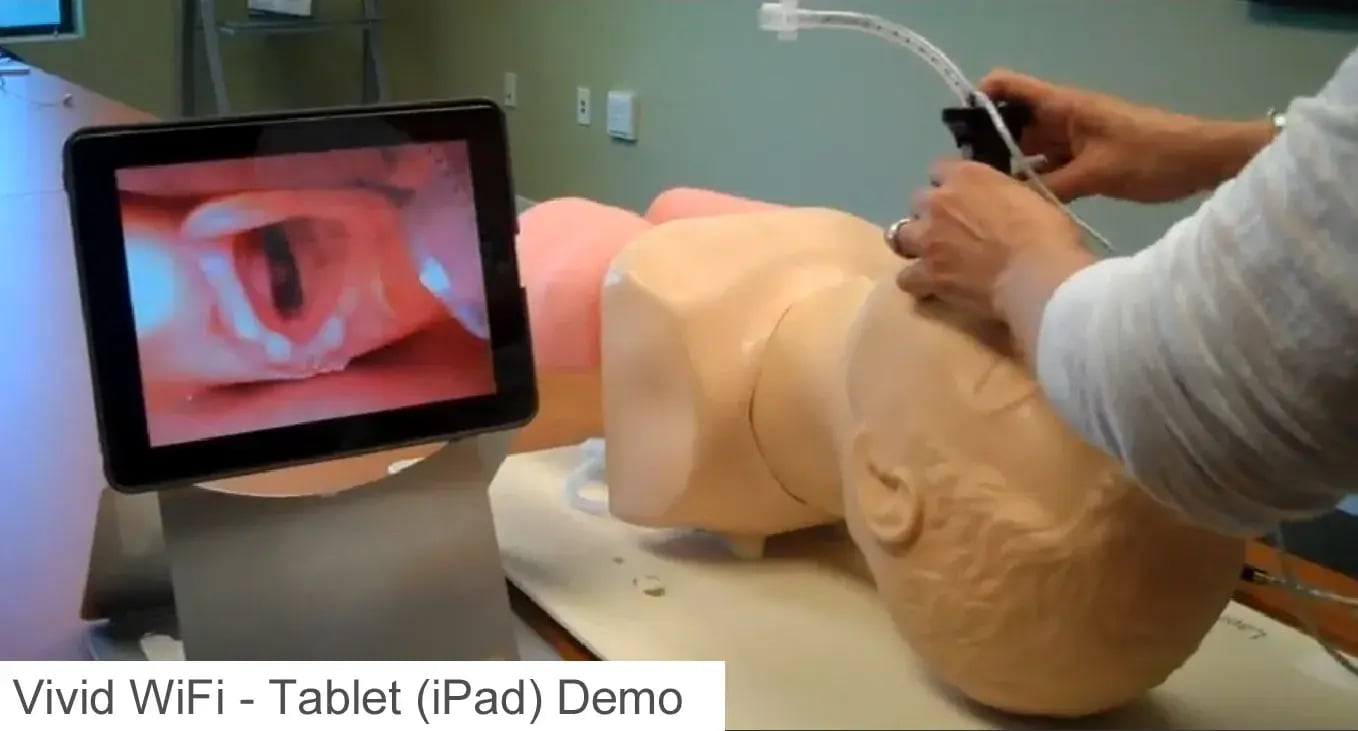
ATLS (ACS COT, 2018) emphasizes that airway management is the immediate priority in trauma and that suspected cervical spine injury precautions must not prevent life-saving airway maneuvers. In isolated penetrating neck trauma without neurologic deficit, routine rigid cervical immobilization is generally not recommended in contemporary trauma systems; therefore, if a collar is present and impeding airway management, releasing/removing it (commonly removing the anterior portion while providing MILS if concern remains) is exam-consistent. Video laryngoscopy is commonly favored in modern emergency airway practice due to higher first-pass success in many settings and the ability to intubate with less need for aggressive head/neck manipulation than direct laryngoscopy.
This question is frequently missed because test-takers overgeneralize blunt-trauma “always immobilize the C-spine” heuristics to penetrating mechanisms. The boards reward selective immobilization logic: maintain spinal precautions when indicated, but don’t let a collar delay or complicate definitive airway control when a neck hematoma is expanding.
Why This Emergency Medicine Question Is Often Missed
- Penetrating neck trauma is incorrectly managed like blunt trauma with mandatory rigid collar precautions.
- Learners conflate “minimize spine motion” with “keep the collar on during laryngoscopy,” which can worsen view/access.
- Nasotracheal intubation is over-remembered as a “less movement” option despite being rarely appropriate in modern RSI pathways.
What the Distractors Indicate
| Option |
What It Tests / Implies |
Why It’s Wrong Here |
| If a cervical collar is present, then keep it on and intubate using nasotracheal methods to prevent neck movement. |
Blind/“less neck movement” thinking; reliance on nasotracheal routes |
Not preferred in trauma RSI; requires spontaneous respirations and is a poor choice with impending airway distortion/bleeding risk. |
| If a cervical collar is present, then release it and intubate using video laryngoscopy. |
Prioritizes airway; removes impediment; uses VL |
Best aligns with ATLS-style priorities and modern ED airway practice (release/remove collar that obstructs airway maneuvers). |
| If a cervical collar is present, then keep it on and intubate using video laryngoscopy. |
Attempts to keep immobilization while upgrading device |
Collar frequently limits mouth opening and laryngoscope insertion/view; MILS is the typical compromise rather than “leave collar fully on.” |
| If a cervical collar is present, then release it and intubate using conventional laryngoscopy. |
Remove collar but use direct laryngoscopy |
Direct laryngoscopy may require more alignment/force; VL is often preferred when motion minimization/first-pass success is a priority. |
High-Yield Pearl for ABEM Exam Prep
In isolated penetrating neck trauma without neuro deficit, don’t let a cervical collar obstruct RSI—release/remove it (use MILS if needed) and intubate with the approach most likely to succeed on the first pass (often video laryngoscopy).
Core Learning Objectives
- Apply selective cervical spine immobilization principles in isolated penetrating neck trauma when neurologic deficit is absent.
- Choose an airway approach during RSI that prioritizes first-pass success while minimizing unnecessary cervical movement and avoiding collar-related obstruction.
The Exam Trick at Play
The stem tempts a reflexive “protect the C-spine at all costs” response. The testable point is trauma prioritization: airway first, and in isolated penetrating trauma the collar is often unnecessary and can be harmful or obstructive—so you open/release it rather than working around it with inferior airway choices.
Additional Practice Questions & Remediation for Penetrating Neck Trauma Airway
Emergency Medicine Practice Question 1 — Expanding hematoma
A 29-year-old with a stab wound to zone II has an expanding anterior neck hematoma and muffled voice. No neurologic deficits. Collar placed by EMS. Best next step for airway?
- A. Maintain collar; attempt awake nasotracheal intubation
- B. Remove/release collar as needed, provide MILS, proceed with RSI using video laryngoscopy
- C. Observe; obtain CTA neck first
- D. Remove collar and attempt blind digital intubation
- E. Place an LMA and send to CT
Emergency Medicine Practice Question 2 — When to immobilize
A 35-year-old with an isolated gunshot wound to the lateral neck is awake, moving all extremities, normal sensation, and no distracting blunt trauma. Best statement regarding cervical immobilization?
- A. Rigid collar is mandatory for all neck trauma
- B. Routine immobilization is generally not indicated in isolated penetrating trauma without neurologic deficit
- C. Immobilize until MRI C-spine is negative
- D. Immobilize only if the patient is hypotensive
- E. Immobilize only if there is subcutaneous emphysema
Emergency Medicine Practice Question 3 — Collar during intubation
A 44-year-old with suspected blunt trauma needs RSI; collar is on. Best practice during laryngoscopy?
- A. Keep collar fully on and attempt intubation around it
- B. Remove/release the anterior collar while maintaining manual in-line stabilization
- C. Remove collar and allow full neck extension
- D. Switch to blind nasotracheal intubation to avoid movement
- E. Delay intubation until CT confirms no C-spine injury
Emergency Medicine Practice Question 4 — VL vs DL principle
A hemodynamically stable trauma patient needs RSI. Which statement best reflects why video laryngoscopy is often favored?
- A. It eliminates aspiration risk
- B. It often improves glottic visualization and first-pass success with less need for alignment maneuvers
- C. It is always faster than direct laryngoscopy in expert hands
- D. It is required by ATLS
- E. It prevents airway bleeding in facial trauma
Emergency Medicine Practice Question 5 — Rescue airway choice
During RSI for penetrating neck trauma, the view is poor and oxygen saturation is falling. Best immediate rescue step?
- A. Persist with repeated laryngoscopy attempts
- B. Place a supraglottic airway and prepare for definitive airway (including cricothyrotomy if needed)
- C. Attempt blind nasotracheal intubation
- D. Send to CT for anatomy clarification
- E. Delay ventilation to prevent gastric insufflation
Mini Case Discussion Prompt
Compare collar and airway management priorities in (1) isolated penetrating neck trauma with no neurologic deficit vs (2) high-energy blunt trauma with altered mental status—what changes about immobilization, MILS, and your first airway attempt?
Mini-FAQ
Q1: Should penetrating neck trauma patients routinely get a cervical collar?
A: Generally no when the mechanism is isolated penetrating trauma and there is no neurologic deficit; exams commonly test selective immobilization rather than automatic collars.
Q2: If a collar is already on, do I remove it for intubation?
A: The ABEM-style expectation is that collars must not impede airway care—release/remove (often the anterior portion) and use MILS if concern for CSI remains.
Q3: Is video laryngoscopy always superior to direct laryngoscopy in trauma?
A: Not “always,” but boards commonly reward VL as the preferred first attempt when success probability and motion minimization matter, assuming operator familiarity.
Q4: When would nasotracheal intubation be the best choice?
A: Rarely in modern ED trauma RSI; it’s typically a niche option requiring spontaneous respirations and is not preferred with evolving neck hematoma or potential bleeding/distortion.
Find this and other Emergency Medicine exam prep questions in Med-Challenger Emergency Medicine Review with CME
Try for free and save. Ace your exams and meet your CME/MOC requirements for just $35 a month!

.png)



