---
title: Most Missed Family Medicine Exam Question - Meningitis vs Endocarditis
description: Most Missed Family Medicine Question — Meningitis vs Endocarditis. Quick answer, key CSF and exam clues for Family Medicine board prep.
image: https://challengercme.com/hubfs/lumbar-puncture-a40f55.jpg
---

[![Med-Challenger-green-logo-1024x244](https://challengercme.com/hubfs/Med-Challenger-green-logo-1024x244.webp) ](https://challengercme.com/)

- [SHOP EXAM PREP & CME ](https://challengercme.com/blog/most-missed-family-medicine-exam-question-meningitis-vs-endocarditis#)
  
  ### [EMERGENCY MEDICINE](https://challengercme.com/emergency-medicine-exam-review-cme-course)
  
  <https://challengercme.com/emergency-medicine-exam-review-cme-course>[ABEM exam prep](https://challengercme.com/emergency-medicine-exam-review-cme-course), [MyEMCert](https://challengercme.com/emergency-medicine-myemcert-exam-review-course), etc.


  ### [FAMILY MEDICINE](https://challengercme.com/family-medicine-exam-review-cme-course)
  
  <https://challengercme.com/family-medicine-exam-review-cme-course>[ABFM exam prep](https://challengercme.com/family-medicine-exam-review-cme-course), [ABFM KSA](https://challengercme.com/family-medicine-moc-ksa-course), etc.


  ### [INTERNAL MEDICINE ABIM exam prep, MOC points, etc.](https://challengercme.com/internal-medicine-exam-review-cme-course)


  ### [OBGYN ABOG exam prep, CREOG, etc.](https://challengercme.com/obgyn-exam-review-cme-course)


  ### [PEDIATRICS ABP exam prep, MOCA-PEDS, etc.](https://challengercme.com/pediatric-medicine-exam-review-cme-course)


  ### [PEDIATRIC EM](https://challengercme.com/pediatric-emergency-medicine-3rd-edition)
  
  <https://challengercme.com/pediatric-emergency-medicine-3rd-edition>[ABP/ABEM exam prep Ed.3](https://challengercme.com/pediatric-emergency-medicine-3rd-edition), [Ed.2](https://challengercme.com/pediatric-emergency-medicine-pack2), etc.


  ### [SPECIAL PURPOSE / SPEX FSMB exam prep, etc.](https://challengercme.com/special-purpose-exam-review-spex-exam-preparation-course)


  ### [PHYSICIAN ASSISTANT](https://challengercme.com/physician-assistant-exam-review-cme-course)
  
  <https://challengercme.com/physician-assistant-exam-review-cme-course>[PANCE / PANRE](https://challengercme.com/physician-assistant-exam-review-cme-course), [CAQ-EM](https://challengercme.com/pa-caq-em-review-course), etc


  ### [NURSE PRACTITIONER](https://challengercme.com/family-nurse-practitioner-exam-review-cme-course)
  
  <https://challengercme.com/family-nurse-practitioner-exam-review-cme-course>[FNP](https://challengercme.com/family-nurse-practitioner-exam-review-cme-course), [ENP](https://challengercme.com/emergency-nurse-practitioner-exam-review-cne-course), [AGNP](https://challengercme.com/adult-gerontology-nurse-practitioner-exam-review-cne-course), [PNCB/CPNP](https://challengercme.com/pediatric-nurse-practitioner-exam-review-cne-course), etc.


  ### [NURSING / NCLEX NCLEX, CNE, etc.](https://challengercme.com/nursing-certification-nclex-exam-review-cne-courses)


  ### [STATE-REQUIRED CME / CE State CME requirements, etc.](https://challengercme.com/state-required-cme)


  ### [JOINT COMMISSION CME](https://challengercme.com/stroke-center-ce-review-course)
  
  <https://challengercme.com/stroke-center-ce-review-course>[Stroke](https://challengercme.com/stroke-center-ce-review-course), [Cardiac](https://challengercme.com/cardiac-center-ce-review-course), [Trauma](https://challengercme.com/trauma-center-ce-review-course), [ALS](https://challengercme.com/advanced-life-support-and-resuscitation-center-ce-review-course), etc.


  ### [PROFESSIONALISM CME Professionalism review with CME](https://challengercme.com/professionalism-review-course)


  ### [DERMATOLOGY CME Dermatology review with CME](https://challengercme.com/dermatology-review-course)


  ### [USMLE STEP 2CK / STEP 3 USMLE exam prep, etc.](https://challengercme.com/usmle-certification-exam-review-clerkship-exams-shelf-exam-review)
- [INSTITUTIONS ](https://challengercme.com/atlas-pro-inst)
- [BLOG ](https://challengercme.com/blog)
- [SUPPORT ](https://support.challengercme.com/knowledge)

[SIGN IN ](https://fuse.challengercme.com/sign-in?redirectURL=%2Fuserdash)

family medicine

# Most Missed Family Medicine Exam Question - Meningitis vs Endocarditis

Most Missed Family Medicine Question — Meningitis vs Endocarditis. Quick answer, key CSF and exam clues for Family Medicine board prep.

[ Challenger Corporation ](https://challengercme.com/blog/author/challenger-corporation)

 Aug 22, 2025

[Commonly Missed Questions](https://challengercme.com/blog/tag/commonly-missed-questions) [family medicine](https://challengercme.com/blog/tag/family-medicine)

### < [All Posts](https://challengercme.com/blog)

ABFM Exam Prep + CME

Med-Challenger Family Medicine

Pass-guaranteed ABFM exam review with CME built-in. Try it for free. On sale now.

[START FM REVIEW](https://fuse.challengercme.com/fulltrial/198)

---

### Share this article

<http://www.facebook.com/share.php?u=https://challengercme.com/blog/most-missed-family-medicine-exam-question-meningitis-vs-endocarditis&utm_medium=social&utm_source=facebook> <http://www.linkedin.com/shareArticle?mini=true&url=https://challengercme.com/blog/most-missed-family-medicine-exam-question-meningitis-vs-endocarditis&utm_medium=social&utm_source=linkedin> <https://twitter.com/intent/tweet?original_referer=https://challengercme.com/blog/most-missed-family-medicine-exam-question-meningitis-vs-endocarditis&utm_medium=social&utm_source=twitter&url=https://challengercme.com/blog/most-missed-family-medicine-exam-question-meningitis-vs-endocarditis&utm_medium=social&utm_source=twitter&source=tweetbutton&text=> <http://pinterest.com/pin/create/button/?url=https://challengercme.com/blog/most-missed-family-medicine-exam-question-meningitis-vs-endocarditis&utm_medium=social&utm_source=pinterest&media=> [mailto:?subject=Check%20out%20https://challengercme.com/blog/most-missed-family-medicine-exam-question-meningitis-vs-endocarditis&utm_medium=social&utm_source=email%20&body=Check%20out%20https://challengercme.com/blog/most-missed-family-medicine-exam-question-meningitis-vs-endocarditis&utm_medium=social&utm_source=email](mailto:?subject=Check%20out%20https://challengercme.com/blog/most-missed-family-medicine-exam-question-meningitis-vs-endocarditis&utm_medium=social&utm_source=email%20&body=Check%20out%20https://challengercme.com/blog/most-missed-family-medicine-exam-question-meningitis-vs-endocarditis&utm_medium=social&utm_source=email)

### Subscribe

### Subscribe

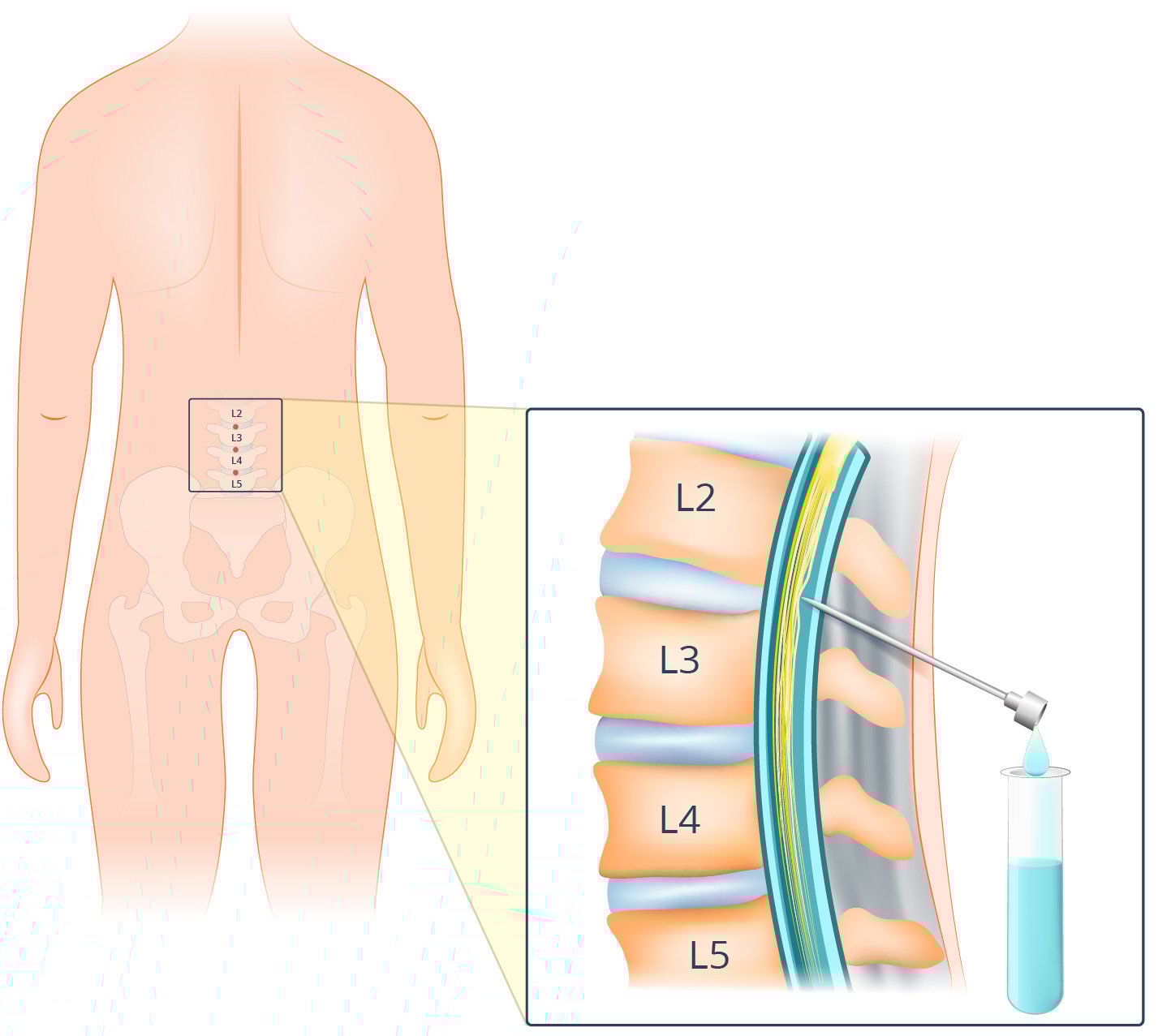
![The diagnostic test that might provide the most useful information pending the results of blood cultures is which of the following?](https://challengercme.com/hubfs/lumbar-puncture-a40f55.jpg)

Bacterial meningitis — acute fever, nuchal rigidity, AMS and CSF with neutrophilic pleocytosis, low glucose and high protein. Endocarditis is more subacute with new murmur, positive blood cultures and vascular phenomena; on exams prioritize time course and CSF findings.

A 55-year-old man who lives alone is brought in by his neighbors because of severe altered mental status, confusion, and severe headache. They state that he normally seems healthy, but he had recently been "quite sick" with fever. The patient himself is confused, and he cannot provide additional history.

[![Want more control over your program's outcomes? Learn about Institutional Programs](https://no-cache.hubspot.com/cta/default/9106197/interactive-194510541423.png) ](https://challengercme.com/hs/cta/wi/redirect?encryptedPayload=AVxigLJuoG9uSVlZ%2FeClkAsmx%2F3aU%2F3Ht332d91mSpfY9b7CERCAzMk4FvzOOQ1TcDDgSljgTD63h7n7e2EsTO8nD6AXCQzI%2FYFahWF5oyfxhn1YMCyblp1O8gKONldH0DWginVGp4OftbFvangaeEvcQY8%2B4TjZxsN5YuTDrDPTUO8%2BlbwYO7oeDFukGrtOUQ%3D%3D&webInteractiveContentId=194510541423&portalId=9106197)


The patient appears acutely ill. He is disoriented to time and place. Vital signs are as follows: heart rate 105 beats/minute and regular; blood pressure 115/60 mm Hg; respiratory rate 16 breaths/minute; and temperature 39.4 °C (103 °F).  The lungs are clear. There is a grade III diastolic murmur along the left sternal border. No gallop is detected. In addition to confusion, the neurologic examination reveals mild right-sided motor weakness, more pronounced in the arm than the leg. There is a moderate increase in muscle tone on the right side and reflexes on that side are hyperactive. There is a Babinski sign on the right as well. A careful skin examination does not reveal any lesions. The remainder of the physical examination is normal. Laboratory studies:  
CBC reveals normal hemoglobin and hematocrit, normal red blood cell indices, and a modest neutrophilic leukocytosis (WBC 12,000 with 90% neutrophils).

Electrolytes, BUN/Creatinine, serum calcium, liver function studies, and urinalysis are all normal.  
Blood cultures are pending.

Computed tomography (CT) of the head is performed and is significant for small aneurysms located at the distal branching points of the left middle cerebral artery.

The diagnostic test that might provide the most useful information pending the results of blood cultures is which of the following?

Answer Options:

 A. Magnetic resonance angiography (MRA)  
B. Lumbar puncture  
C. Electrocardiogram  
D. Echocardiography


*No, it’s not a novel-length reading comprehension test. You could be forgiven for thinking that, but…. 🙂*

*This is about prioritizing diagnoses by immediacy of threat. The author wants you to pick the next diagnostic step that answers the most life‑threatening possibility first. The vignette mixes signs of infective endocarditis and focal neurologic deficit. That is intentional. It creates a common boards trick where test-takers reach for cardiac tests instead of ruling out acute CNS infection.*


## **Why This Family Medicine Question Is Often Missed**

- Anchoring on the heart: learners see the murmur and CT aneurysms and jump to echo or vascular imaging.
- Misordering diagnostics: candidates underestimate the need to rule out meningitis (a more immediately reversible lethal process) before pursuing cardiac imaging. 


## **What the Distractors Indicate**

| **Option** | **What It Tests / Implies** | **Why It’s Wrong Here** |
| --- | --- | --- |
| Magnetic resonance angiography (MRA) | Evaluates intracranial vasculature and aneurysm anatomy; useful for characterizing mycotic aneurysms. | Useful later, but does not rule out acute meningitis. It delays diagnosis of the most immediately life‑threatening possibility. |
| Lumbar puncture | Tests CSF to confirm or exclude meningitis/central nervous system infection. | Correct — it addresses the highest‑priority, potentially reversible threat in this presentation, provided no contraindication on head imaging. |
| Electrocardiogram (ECG) | Screens for arrhythmia, conduction abnormalities, or ischemia that might complicate cardiac disease. | Low yield for the presenting neurologic febrile syndrome; does not change immediate neurologic management. |
| Echocardiography | Detects valvular vegetations and structural lesions causing endocarditis. | Important for diagnosing endocarditis, but should follow more urgent evaluation for CNS infection when that is a competing life‑threatening diagnosis. |


## **High-Yield Pearl**

> If bacterial meningitis is on the differential and head imaging shows no mass effect or contraindication, perform lumbar puncture promptly — it addresses the most immediately life‑threatening diagnosis.


## **Core Learning Objectives**

1. Prioritize diagnostic testing by immediacy of life‑threat (e.g., rule out meningitis before pursuing nonurgent imaging).
2. Recognize neurologic complications of infective endocarditis (embolic stroke, mycotic aneurysm, meningitis, abscess) and their implications for test sequencing.


## **The “Test Trick” at Play**

This is an order‑of‑operations trap. The vignette deliberately provides findings that support a high‑yield noncardiac emergency (fever, altered mental status) and concurrent findings that suggest a cardiac source (diastolic murmur, mycotic aneurysms). The exam tests whether you choose the diagnostic step that addresses the most time‑sensitive, potentially reversible condition (meningitis) rather than the tempting confirmatory test for the chronic/underlying disease (echo or MRA).


[![Want more control over your program's outcomes? Learn about Institutional Programs](https://no-cache.hubspot.com/cta/default/9106197/interactive-194510541423.png) ](https://challengercme.com/hs/cta/wi/redirect?encryptedPayload=AVxigLJuoG9uSVlZ%2FeClkAsmx%2F3aU%2F3Ht332d91mSpfY9b7CERCAzMk4FvzOOQ1TcDDgSljgTD63h7n7e2EsTO8nD6AXCQzI%2FYFahWF5oyfxhn1YMCyblp1O8gKONldH0DWginVGp4OftbFvangaeEvcQY8%2B4TjZxsN5YuTDrDPTUO8%2BlbwYO7oeDFukGrtOUQ%3D%3D&webInteractiveContentId=194510541423&portalId=9106197)


## Additional ABFM Exam Practice Questions and Remediation

### **Family Medicine Practice Question 1**

A 62‑year‑old woman presents with 2 days of fever, headache, and progressive confusion. She has a history of prosthetic aortic valve replacement last year. On exam she is febrile (39°C) and somnolent but arousable. Neurologic exam shows left facial weakness and left arm drift. Noncontrast head CT shows no mass effect or hemorrhage. Blood cultures are being drawn. Which test provides the most immediate diagnostic information?

A. Chest x‑ray

B. Carotid duplex ultrasound

C. Transesophageal echocardiography (TEE)

D. Lumbar puncture

E. MRI brain with contrast

Answer and Remediation

- If you chose D: Correct response! The patient has fever and altered mental status. CT rules out mass effect. LP is needed to confirm or exclude meningitis, which is immediately life‑threatening and alters management.
- Review: 
    - A: Chest x‑ray is irrelevant to the acute neurologic/febrile presentation.
    - B: Carotid duplex evaluates extracranial stenosis; it won’t diagnose meningitis or IE complications.
    - C: TEE is valuable for detecting prosthetic valve endocarditis, but it is not the highest‑priority test when CNS infection is possible.
    - E: MRI brain provides parenchymal detail but does not replace CSF analysis for meningitis and is slower.

### **Family Medicine Practice **Question 2

A 48‑year‑old man with IV drug use history presents with sudden severe headache, fever, and right‑sided weakness. He is febrile and confused. Noncontrast head CT shows subarachnoid blood in the left sylvian fissure and small distal MCA branch aneurysm. Blood cultures pending. Which test is most important now?

A. Immediate lumbar puncture

B. CT angiography of the head

C. Transthoracic echocardiogram (TTE)

D. Start empiric IV antibiotics without further testing

E. Electroencephalography (EEG)

Answer and Remediation

- If you chose B: Correct response! The CT already shows SAH. In the setting of an identified aneurysm and hemorrhage, vascular imaging (CTA or catheter angiography) to characterize and localize the bleeding source is urgent to guide neurosurgical/ endovascular intervention. LP is contraindicated in active SAH/when vascular lesion is suspected.
- Review: 
    - A: LP is contraindicated with SAH on CT and may be unnecessary.
    - C: TTE is useful for endocarditis diagnosis but not the immediate step for acute SAH management.
    - D: Empiric antibiotics may be indicated depending on clinical suspicion, but they do not address the neurosurgical emergency of aneurysmal rupture.
    - E: EEG does not help in acute hemorrhage diagnosis or management.

### **Family Medicine Practice **Question 3

A 70‑year‑old man with known native aortic valve regurgitation presents with fever and acute expressive aphasia. He is febrile and appears ill. Head CT is normal. Blood cultures are being obtained. Which next step best balances diagnostic urgency and safety?

A. Immediate lumbar puncture prior to antibiotics

B. Start broad‑spectrum antibiotics and defer LP entirely

C. Obtain urgent transthoracic echocardiogram now

D. Do MRI brain to look for ischemic stroke before LP

E. Obtain a lumbar puncture after taking blood cultures and before antibiotics

Answer and Remediation

- If you chose E: Correct response! When meningitis is in the differential, obtain blood cultures and then LP before antibiotics if no contraindication on imaging. This maximizes diagnostic yield.
- Review: 
    - A: The order is almost right, but blood cultures should be drawn before LP/antibiotics when possible.
    - B: Starting antibiotics is important if LP will be delayed, but deferring CSF sampling reduces diagnostic sensitivity.
    - C: Echo is important for endocarditis but not the immediate step when meningitis is suspected.
    - D: MRI can detect ischemia but delays LP; CT was normal so LP is appropriate.

### **Family Medicine Practice **Question 4

A 55‑year‑old man is brought in with fever, new right leg weakness, and a new diastolic murmur. He is confused. Noncontrast head CT shows multiple small infarcts in the left MCA territory but no mass lesion. Blood cultures are pending. What test should you do next?

A. Lumbar puncture

B. Magnetic resonance angiography (MRA) of the brain

C. Transesophageal echocardiogram (TEE) after blood cultures

D. Serum cryptococcal antigen

E. Carotid magnetic resonance angiography

Answer and Remediation

- If you chose A: Correct response! Fever plus altered mental status keeps meningitis high on the differential. CT shows infarcts but no contraindication to LP. CSF analysis may reveal meningitis or CNS infection requiring immediate therapy.
- Review: 
    - B: MRA is useful for vascular detail but does not diagnose meningitis and can wait.
    - C: TEE is indicated for suspected endocarditis, but CSF should be obtained first if meningitis is suspected.
    - D: Serum cryptococcal antigen is relevant in immunocompromised patients, not the primary test here.
    - E: Carotid MRA evaluates extracranial vasculature and doesn’t address CSF infection.

### **Family Medicine Practice **Question 5

A previously healthy 40‑year‑old presents with fever, headache, and new-onset seizures. He is somnolent and febrile. Exam shows a systolic murmur. CT head shows patchy hypodensities consistent with early infarcts; no midline shift. Blood cultures are pending. Next best diagnostic step?

A. Immediate EEG to evaluate seizures

B. Lumbar puncture after CT head and before antibiotics

C. Start IV steroids and wait for cultures

D. CTA head and neck to evaluate for dissection

E. Order urine toxicology screen

Answer and Remediation

- If you chose B: Correct response! When altered mentation, fever, and seizures occur together, meningitis/encephalitis must be ruled out. With CT excluding mass effect, LP before antibiotics optimizes diagnosis.
- Review: 
    - A: EEG evaluates seizure activity but does not rule out CNS infection and can wait until more pressing diagnostics are done.
    - C: Steroids are adjunctive in certain meningitis presentations (e.g., suspected pneumococcal meningitis with prompt antibiotics) but do not replace obtaining diagnostic CSF; also steroids can alter CSF/blood cultures.
    - D: CTA examines vascular causes but delays CSF diagnosis.
    - E: Tox screen is low yield for acute febrile encephalopathy and should not supersede CSF testing.

## **Mini Case Discussion Prompt**

> Compare and contrast the diagnostic sequencing and immediate management in a febrile patient with focal neurologic deficits when head CT is (a) normal with no mass effect, (b) shows ischemic infarcts only, and (c) shows hemorrhage/SAH — how does each scenario change the prioritization of LP, vascular imaging, echo, and empiric antibiotics?

---

Find this and other Family Medicine exam prep questions in [Med-Challenger Family Medicine Review with CME](https://challengercme.com/family-medicine-exam-review-cme-course)

[Try for free and save](https://fuse.challengercme.com/fulltrial/198). Ace your exams and meet your CME/MOC requirements for just $35 a month!
[![subcription_icon_fm-e1519157340449-Feb-09-2023-06-23-09-6746-PM](https://challengercme.com/hs-fs/hubfs/Imported_Blog_Media/subcription_icon_fm-e1519157340449-Feb-09-2023-06-23-09-6746-PM.png?width=250&height=255&name=subcription_icon_fm-e1519157340449-Feb-09-2023-06-23-09-6746-PM.png)](https://challengercme.com/family-medicine-exam-review-cme-course)

[![Start Free Trial FM](https://no-cache.hubspot.com/cta/default/9106197/interactive-185199121572.png) ](https://challengercme.com/hs/cta/wi/redirect?encryptedPayload=AVxigLLNIA7AdaWhQEDwH3%2F%2BCeGH%2B5nXYqZCyABKwQ4R8aZviXAb1jeIFaBTOxr0WtGfmYN64N5zv54Iv8nkdo2KCpURZBOwYQxT%2FpAvIcTgOc5%2BwSfG%2B%2BvV8bqw5A2NEdE3c3GIn7NXohf0j1DSYWtNqco8hMmGEGbIse8WkIPHEKxvEFWspv0%2FvN7R1DKomR91&webInteractiveContentId=185199121572&portalId=9106197)

[![Buy FM Now](https://no-cache.hubspot.com/cta/default/9106197/interactive-185125150119.png) ](https://challengercme.com/hs/cta/wi/redirect?encryptedPayload=AVxigLLZBCNJGFZv0og23sCAi9M24SA70qds0yIRG7AHfSYVCaF2rQ9l2QNxWillAmz6vM0l8LbdB%2FJNLoAaxlMtW3JhDtcmz5bR0ent6oKOIa9j3%2BNacecvr76QwJz6G1jCqAKxqxWyza74nBG3mHdDlPzSqmPXGuaDWsRGEHHm65gNVkMn2KROdwoJtq%2BC&webInteractiveContentId=185125150119&portalId=9106197)

[![View Lifetime Option FM](https://no-cache.hubspot.com/cta/default/9106197/interactive-185072577901.png) ](https://challengercme.com/hs/cta/wi/redirect?encryptedPayload=AVxigLLmHUlslwVDxqVWCPsxAJ3rpLScPPEtbqZYPh8lvNPAjPf6QZz4H%2BJ867B2ppZtEbUwvsu0amWBsNt7TQh0n2iYlMSOBwkgJXfpNDseP52ooGyVnFj0WUP8KXELBIFGUDB%2FkoxFZ8d2EkA%2BP0wgow4EPfcmPGMhwQFAKPNwd6AMrPvDUxeI%2FjB2%2B5WL%2Bw%3D%3D&webInteractiveContentId=185072577901&portalId=9106197)

---

<https://challengercme.com/blog/a-76-year-old-woman-with-stage-iv-lung-adenocarcinoma-has-been-in-the-icu-for-pneumonia>No matter your program, no matter the size, [Med-Challenger for Groups and Institutions](https://challengercme.com/institutional-medical-education-for-groups) can better prepare your program or group, fulfill industry requirements, and increase test scores.

For personal medical education that includes board's prep, MOC, and CME requirements, Med-Challenger has you covered in [Family Medicine](https://challengercme.com/family-medicine-exam-review-cme-courses), [Emergency Medicine](https://challengercme.com/emergency-medicine-exam-review-cme-courses), [Internal Medicine](https://challengercme.com/internal-medicine-exam-review-cme-courses), [Pediatrics](https://challengercme.com/pediatric-medicine-exam-review-cme-courses), [Pediatric Emergency Medicine](https://challengercme.com/category-pediatric-emergency-medicine-courses), [OBGYN](https://challengercme.com/obgyn-exam-review-cme-courses), [Physician Assistants](https://challengercme.com/physician-assistant-exam-review-cme-courses), and [Nurse Practitioners.](https://challengercme.com/nurse-practitioner-exam-review-cme-courses)


Never miss a thing. Subscribe to our blog and save!
 

[![SUBSCRIBE Medical Education Blog & Newsletter](https://no-cache.hubspot.com/cta/default/9106197/703c79e6-b750-4dfa-acfa-b6ca5307c563.png)](https://cta-redirect.hubspot.com/cta/redirect/9106197/703c79e6-b750-4dfa-acfa-b6ca5307c563)

## Similar posts

<https://challengercme.com/blog/articles/2022/06/what-is-the-best-family-medicine-board-review-question-bank-how-to-choose-the-best-family-medicine-qbank-for-abfm-board-review>

abfm board review

### [What is the Best Family Medicine Question Bank? We Compare ABFM QBanks](https://challengercme.com/blog/articles/2022/06/what-is-the-best-family-medicine-board-review-question-bank-how-to-choose-the-best-family-medicine-qbank-for-abfm-board-review)

What is the best family medicine Qbank for ABFM board review, really? How to choose the best family medicine question bank for ABFM board exam prep.

 Nancy M. Anderson, MBA, MSc, MB(ASCP)  Jun 13, 2022

<https://challengercme.com/blog/articles/2022/01/how-to-prepare-for-family-medicine-boards-pass-abfm>

family medicine

### [How To Prepare for Family Medicine Boards (8 Tips to Ace ABFM Exams)](https://challengercme.com/blog/articles/2022/01/how-to-prepare-for-family-medicine-boards-pass-abfm)

How to prepare for your family medicine board exam. ABFM study guide. How to pass the ABFM board exam. ABFM exam tips.

 Nancy M. Anderson, MBA, MSc, MB(ASCP)  Jan 28, 2022

<https://challengercme.com/blog/quick-and-easy-cme/moc-tips-for-emergency-medicine-physicians>

emergency medicine boards

### [Quick and Easy CME/MOC Tips for Emergency Medicine Physicians](https://challengercme.com/blog/quick-and-easy-cme/moc-tips-for-emergency-medicine-physicians)

How to prepare for your 2022 family medicine board exam. 2022 ABFM study guide. How to pass the ABFM board exam. ABFM exam tips.

 Med-Challenger  Nov 18, 2024

## Stay informed.

### Subscribe to our [Medical Education Blog](https://challengercme.com/blog) 

Stay informed of new medical education content, certification requirements and deadlines, case-based CME quizzes, and special offers.

[![Med-Challenger-green-logo-1024x244](https://challengercme.com/hubfs/Med-Challenger-green-logo-1024x244.webp) ](https://challengercme.com)

#### **Online Medical Education**

1-800-676-0822  
Sales - Option 1  
Support - Option 2


### Company

- [Get Support](https://support.challengercme.com/knowledge/kb-tickets/new)
- [Policies](https://support.challengercme.com/knowledge)
- [Special Offers](https://challengercme.com/special)

### Products

- [Exam Prep & CME](https://challengercme.com/med-challenger-free-trial-landing-page)
- [Institutional LMS](https://challengercme.com/atlas-pro-inst)

### Resources

- [CME Blog](https://challengercme.com/blog)
- [Knowledge Base](https://support.challengercme.com/knowledge)

### Account

- [Create Account](https://fuse.challengercme.com/sign-up)
- [Login](https://fuse.challengercme.com/sign-in?redirectURL=%2Fuserdash)

© 2026 Challenger Corporation. All rights reserved [Privacy Policy](https://support.challengercme.com/knowledge/what-are-your-terms-of-service-privacy-policy-user-agreement)

```json
{
  "@context" : "https://schema.org",
  "@id" : "https://challengercme.com/blog#webpage",
  "@type" : "WebPage",
  "description" : "The Challenger Medical Education Blog offers informative patient cases, medical certification exam preparation courses and board exam review tips.",
  "inLanguage" : "en",
  "isPartOf" : {
    "@type" : "WebSite",
    "name" : "Med-Challenger",
    "url" : "https://challengercme.com/"
  },
  "mainEntityOfPage" : {
    "@id" : "https://challengercme.com/blog",
    "@type" : "WebPage"
  },
  "name" : "Challenger Medical Education Blog",
  "primaryImageOfPage" : {
    "@type" : "ImageObject",
    "url" : "https://challengercme.com/hubfs/Webpage%20Featured%20Images/Medical%20Education%20Blog%20-%20Free%20CME%20resources%2c%20certification%20exam%20tips%2c%20clinical%20challenge%20questions%20and%20more.png"
  },
  "publisher" : {
    "@type" : "Organization",
    "name" : "Challenger Corporation",
    "url" : "https://challengercme.com/"
  },
  "url" : "https://challengercme.com/blog"
}
```

```json
{
  "@context" : "https://schema.org",
  "@type" : "BlogPosting",
  "about" : [ "bacterial meningitis", "infective endocarditis", "lumbar puncture", "cerebrospinal fluid (CSF) analysis", "neutrophilic pleocytosis", "low CSF glucose", "high CSF protein", "mycotic aneurysm", "neurologic complications of endocarditis", "diagnostic sequencing", "ABFM exam preparation", "medical education" ],
  "articleSection" : "Family Medicine",
  "author" : {
    "@type" : "Organization",
    "name" : "Challenger Corporation"
  },
  "dateModified" : "2025-11-21T16:34:45.281Z",
  "datePublished" : "2025-08-22T16:50:16.000Z",
  "description" : "Most Missed Family Medicine Question — Meningitis vs Endocarditis. Quick answer, key CSF and exam clues for Family Medicine board prep.",
  "headline" : "Most Missed Family Medicine Exam Question - Meningitis vs Endocarditis",
  "image" : [ {
    "@type" : "ImageObject",
    "caption" : "Most missed question in Family Medicine exam prep",
    "description" : "Illustration for 'Most missed question' showing a vignette suggestive of infective endocarditis versus meningitis.",
    "name" : "Most missed question in FM Exam Prep"
  }, {
    "@type" : "ImageObject",
    "caption" : "Med-Challenger branding",
    "description" : "Med-Challenger Medical Education, a Division of Challenger Corporation",
    "name" : "Med-Challenger Medical Education"
  } ],
  "inLanguage" : "en-US",
  "keywords" : [ "meningitis", "endocarditis", "lumbar puncture", "CSF", "mycotic aneurysm", "family medicine", "exam prep", "ABFM", "board review", "diagnostic sequencing" ],
  "mainEntityOfPage" : {
    "@id" : "https://challengercme.com/blog/most-missed-family-medicine-exam-question-meningitis-vs-endocarditis",
    "@type" : "WebPage"
  },
  "publisher" : {
    "@type" : "Organization",
    "logo" : {
      "@type" : "ImageObject",
      "url" : "https://challengercme.com/logo.png"
    },
    "name" : "Challenger Corporation"
  }
}
```

```json
{
  "@context" : "https://schema.org",
  "@type" : "QAPage",
  "mainEntity" : {
    "@type" : "Question",
    "acceptedAnswer" : {
      "@type" : "Answer",
      "text" : "Lumbar puncture. The vignette prioritizes ruling out acute CNS infection (bacterial meningitis) — a life‑threatening, potentially reversible diagnosis — by CSF analysis if head imaging shows no contraindication. MRA, ECG, and echo are lower priority when meningitis is a competing immediate threat."
    },
    "name" : "Which diagnostic test provides the most useful information pending blood cultures?",
    "text" : "A 55-year-old man with fever, severe altered mental status, headache, CT showing small distal MCA aneurysms, and a new diastolic murmur is evaluated. Blood cultures are pending. Which diagnostic test might provide the most useful information pending the results of blood cultures?\\nA. Magnetic resonance angiography (MRA)\\nB. Lumbar puncture\\nC. Electrocardiogram\\nD. Echocardiography"
  }
}
```

```json
{
  "@context" : "https://schema.org",
  "@type" : "ItemList",
  "description" : "Exam-style review questions based on this article’s teaching points.",
  "itemListElement" : [ {
    "@type" : "ListItem",
    "item" : {
      "@type" : "Question",
      "acceptedAnswer" : {
        "@type" : "Answer",
        "text" : "Lumbar puncture. With fever and altered mental status and CT excluding mass effect, LP is needed to confirm or exclude meningitis; blood cultures should be obtained first when possible."
      },
      "name" : "62-year-old with fever, prosthetic valve, CT head normal — most immediate diagnostic test?"
    },
    "position" : 1
  }, {
    "@type" : "ListItem",
    "item" : {
      "@type" : "Question",
      "acceptedAnswer" : {
        "@type" : "Answer",
        "text" : "CT angiography (or catheter angiography). When CT shows subarachnoid hemorrhage and an aneurysm, urgent vascular imaging is needed to localize and guide neurosurgical/endovascular intervention; LP is contraindicated."
      },
      "name" : "48-year-old with IV drug use, SAH on CT and distal MCA aneurysm — most important test now?"
    },
    "position" : 2
  }, {
    "@type" : "ListItem",
    "item" : {
      "@type" : "Question",
      "acceptedAnswer" : {
        "@type" : "Answer",
        "text" : "Obtain blood cultures and then lumbar puncture before antibiotics, if no contraindication on imaging; this maximizes diagnostic yield when meningitis is suspected."
      },
      "name" : "70-year-old with native valve regurgitation, fever, expressive aphasia, CT normal — best next step balancing urgency and safety?"
    },
    "position" : 3
  }, {
    "@type" : "ListItem",
    "item" : {
      "@type" : "Question",
      "acceptedAnswer" : {
        "@type" : "Answer",
        "text" : "Lumbar puncture. Fever plus altered mental status keeps meningitis high on the differential; CT showing infarcts without mass effect permits LP to evaluate for CNS infection before pursuing nonurgent vascular or cardiac imaging."
      },
      "name" : "55-year-old with fever, new diastolic murmur, confusion, CT with infarcts — next test?"
    },
    "position" : 4
  }, {
    "@type" : "ListItem",
    "item" : {
      "@type" : "Question",
      "acceptedAnswer" : {
        "@type" : "Answer",
        "text" : "Lumbar puncture after CT head and before antibiotics. When fever, altered mentation, and seizures occur together, LP (if no contraindication) is needed to rule out meningitis/encephalitis; other tests (EEG, vascular imaging) can wait."
      },
      "name" : "40-year-old with fever, new-onset seizures, systolic murmur, CT without midline shift — next best diagnostic step?"
    },
    "position" : 5
  } ],
  "name" : "Practice Questions",
  "numberOfItems" : 5
}
```
