Preparing for the Pediatric Emergency Medicine (PEM) board exam requires mastering a broad range of clinical topics and developing strong clinical reasoning skills. Even physicians who have completed rigorous fellowship training can encounter challenges during exam preparation if their study approach is not well structured.
Many candidates preparing for the Pediatric Emergency Medicine board exam make similar mistakes—often related to study strategy, exam expectations, or time management. Recognizing these pitfalls early can help candidates prepare more efficiently and avoid common problems that interfere with exam performance.
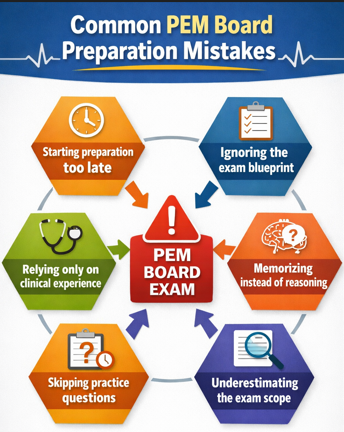
Understanding these common mistakes can help physicians approach the PEM board exam with a more effective preparation strategy. For a comprehensive overview of the certification process, see the Pediatric Emergency Medicine Board Exam Guide.
Studying Without Using the Exam Blueprint
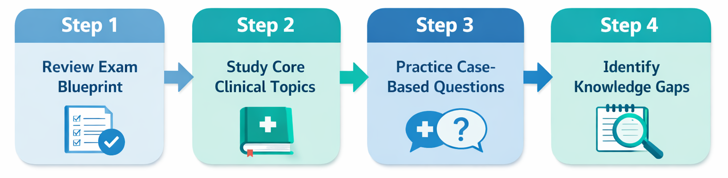
One of the most common mistakes candidates make is studying without first reviewing the official Pediatric Emergency Medicine exam blueprint.
The blueprint defines the clinical domains tested on the exam and reflects the knowledge areas most relevant to pediatric emergency medicine practice. It organizes exam content into 13 major domains, including emergency conditions, trauma, resuscitation, toxicology, procedures, and systems-based topics.
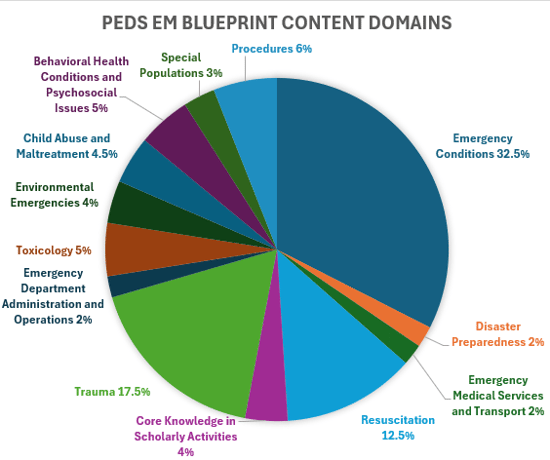
Candidates who do not align their study plans with the blueprint may spend too much time reviewing low-yield material while overlooking topics that appear more frequently on the exam.
Using the blueprint as a framework for studying ensures that preparation covers the full scope of pediatric emergency medicine knowledge tested on the exam.
👉 Understanding the Pediatric Emergency Medicine Board Exam Blueprint
Underestimating High-Yield Clinical Topics
Another common mistake is failing to prioritize the clinical areas that appear most frequently on the exam.
According to the exam blueprint, emergency conditions account for the largest portion of exam questions, representing roughly one-third of the test. Other major domains include trauma, resuscitation, procedures, toxicology, and environmental emergencies.
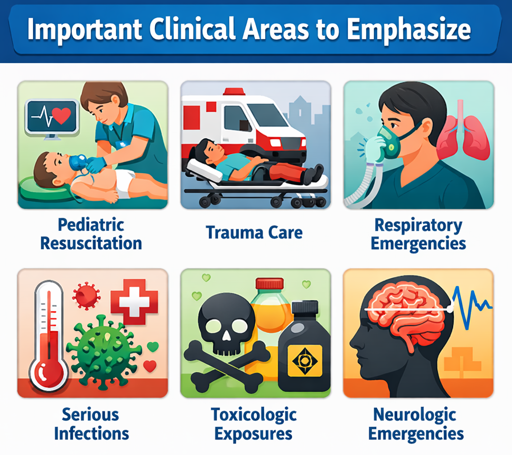
Candidates who focus too heavily on rare conditions or highly specialized topics may miss opportunities to strengthen knowledge in these high-yield areas.
A successful study strategy usually begins with mastering the topics most commonly encountered in pediatric emergency practice.
Focusing Too Much on Memorization
The Pediatric Emergency Medicine board exam emphasizes clinical reasoning and patient management, not just factual recall.
Many exam questions are presented as clinical scenarios that require candidates to interpret patient information and determine the best next step in management. These questions often integrate diagnosis, treatment decisions, and procedural knowledge.
Candidates who rely exclusively on memorization may struggle with these scenario-based questions. Effective preparation typically involves practicing clinical decision-making through case discussions or board-style practice questions.
Not Practicing Board-Style Questions
Some candidates spend most of their study time reviewing textbooks or clinical notes without practicing board-style questions.
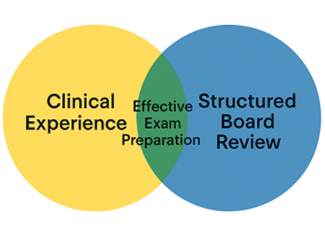
While content review is important, practice questions play a critical role in exam preparation. They help candidates become familiar with the format of exam questions and develop the clinical reasoning skills required to answer scenario-based problems.
Practice questions can also identify knowledge gaps early in the preparation process, allowing candidates to focus additional study on weaker areas.
Ignoring Systems-Based Topics
Another common mistake is neglecting the non-clinical topics included in the exam blueprint.
Although the majority of exam questions focus on clinical medicine, the PEM board exam also includes systems-based domains such as:
- Emergency medical services (EMS) systems
- Disaster preparedness and mass casualty response
- Emergency department administration and operations
These topics represent a smaller portion of the exam but still appear regularly. Candidates who focus exclusively on clinical medicine may be surprised by questions related to emergency systems and operational topics.
Waiting Too Long to Begin Studying
Some candidates delay serious exam preparation until the final weeks before the test.
Because the PEM board exam covers a wide range of topics, last-minute studying can make it difficult to review the entire exam blueprint effectively. Many successful candidates begin preparing several months before the exam, allowing time to review major clinical topics and complete practice questions.
Spacing study sessions over several months can improve retention and reduce the stress associated with intensive last-minute preparation.
👉 Creating a Study Plan for the Pediatric Emergency Medicine Boards
Overlooking Weak Areas
Another common preparation mistake is focusing only on topics that feel familiar or comfortable.
Practice questions and self-assessment often reveal areas where candidates need additional review. Ignoring these weak areas can leave gaps in knowledge that become evident during the exam.
Candidates who track missed questions and revisit challenging topics throughout their preparation often develop a more balanced understanding of the exam material.
Frequently Asked Questions
What is the most common mistake candidates make when preparing for the PEM board exam?
One of the most common mistakes is studying without using the official exam blueprint as a guide. This can lead candidates to focus on topics that appear less frequently on the exam.
Do candidates need to practice board-style questions?
Yes. Practice questions help candidates develop the clinical reasoning skills required to answer scenario-based exam questions.
Are systems-based topics important for the exam?
Yes. Although they represent a smaller portion of the exam, systems-based topics such as EMS systems and disaster preparedness are included in the exam blueprint.
When should candidates begin studying for the PEM boards?
Many physicians begin studying several months before the exam to allow time for comprehensive review and practice questions.
Next Step: Maintaining Pediatric Emergency Medicine Certification
Passing the Pediatric Emergency Medicine board exam is a major milestone, but certification does not end there.
See, Maintaining Pediatric Emergency Medicine Certification, where we explain how pediatric emergency physicians maintain board certification through ongoing professional development and continuing certification programs.