Preparing for the Pediatric Emergency Medicine (PEM) board exam can feel overwhelming because the exam covers a wide range of clinical topics, procedures, and systems-based knowledge. A structured study plan can make preparation more manageable by helping candidates focus on the most important material and distribute study time effectively.
Most physicians preparing for the Pediatric Emergency Medicine board exam begin studying during the final year of fellowship or shortly after completing training. Because the exam blueprint reflects real-world clinical practice, successful preparation typically combines review of high-yield clinical topics with case-based learning and practice questions.
Creating a deliberate study plan allows candidates to cover the full exam blueprint while prioritizing the topics that appear most frequently on the certification exam. For a complete overview of the certification process, see the Pediatric Emergency Medicine Board Exam Guide.
Start With the PEM Board Exam Blueprint
The most effective study plans begin with a review of the official Pediatric Emergency Medicine exam blueprint. The blueprint identifies the knowledge domains tested on the certification exam and indicates how frequently each topic appears.
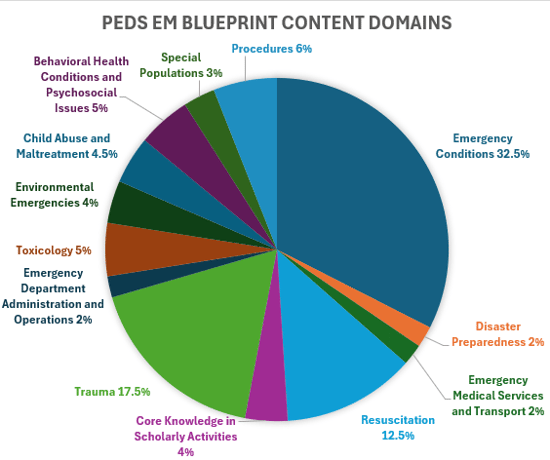
The exam content outline includes 13 major domains, covering both clinical and systems-based knowledge areas such as emergency conditions, trauma, resuscitation, toxicology, procedures, and emergency department systems.
Understanding the blueprint allows candidates to organize their study plan around the structure of the exam rather than reviewing topics randomly.
Many candidates begin by listing the major domains and mapping out which topics they need to review within each category.
👉 Understanding the Pediatric Emergency Medicine Board Exam Blueprint
Prioritize High-Yield Clinical Topics
While the PEM board exam covers many areas of pediatric medicine, some topics appear more frequently than others.
The largest portion of the exam focuses on emergency conditions, which include a broad range of pediatric illnesses such as respiratory disease, infectious conditions, neurologic emergencies, and metabolic disorders.
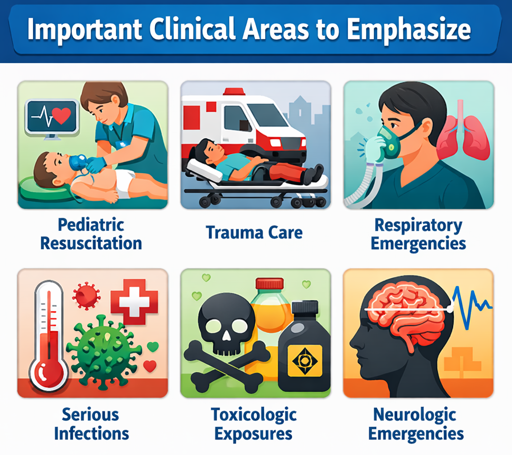
Because these topics represent a substantial portion of exam questions, many candidates dedicate a significant portion of their study time to mastering these areas first.
However, it is still important to review smaller blueprint categories such as disaster preparedness, EMS systems, and emergency department administration, since these topics may also appear on the exam.
👉 What to Expect on the Pediatric Emergency Medicine Board Exam
Use Case-Based Learning and Practice Questions
Because the pediatric emergency medicine board exam emphasizes clinical reasoning, many candidates find that case-based learning is one of the most effective study methods.
Practicing board-style questions allows candidates to simulate the clinical decision-making required on the exam. These questions typically require physicians to analyze patient scenarios, interpret clinical data, and determine the best management approach.
Reviewing explanations for practice questions can also help reinforce key clinical principles and identify areas that require additional study.
Candidates often use practice questions throughout their preparation rather than waiting until the final weeks before the exam.
Compare popular Pediatric Emergency Medicine board prep Qbanks
| FEATURE |
Med-Challenger |
Rosh Review |
StatPearls |
| Price |
$999 / One-time for Life |
$429 / Year |
$299 / 6 Months |
| ABP Board-style Questions |
1,047 |
1,500 |
1,598 |
| Follows PEMQBook 2023 |
Yes |
No |
No |
| AMA PRA Category 1 Credits™ |
53 included |
Paid add-on |
Paid add-on |
| ABP MOC Part 2 Credits |
53 included |
None |
None |
| Adaptive Exam Simulators |
Yes |
No |
Yes |
| "Weak Area" Detailed Remediation |
Yes |
Yes |
Yes |
| Custom Exams |
Yes |
Yes |
No |
| 100% Pass-guaranteed |
Yes |
Yes |
Yes |
Create a Realistic Study Timeline
A successful study plan also requires a realistic timeline that accounts for clinical responsibilities and personal commitments.
Many candidates preparing for the pediatric emergency medicine boards use a three- to six-month preparation window. This timeframe allows physicians to review the entire exam blueprint while still maintaining regular clinical duties.
A typical timeline might include:
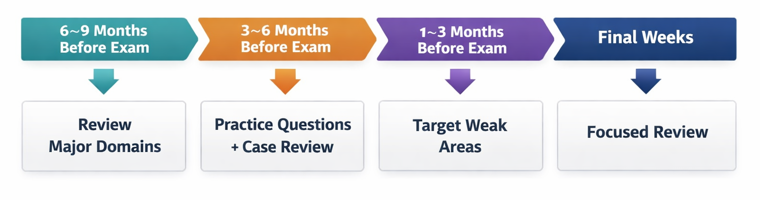
Spacing study sessions over several months helps improve retention and reduces the stress associated with last-minute preparation.
Review Clinical Guidelines and Core Concepts
Because the PEM board exam reflects real-world clinical practice, many candidates focus on reviewing the clinical concepts and guidelines most commonly encountered in pediatric emergency departments.
Areas that often benefit from focused review include:
- Pediatric resuscitation algorithms
- Trauma evaluation and stabilization
- Management of respiratory emergencies
- Recognition and treatment of serious infections
- Toxicology and environmental exposures
Studying these topics within the context of clinical scenarios can help reinforce diagnostic reasoning and treatment strategies.
Identify Weak Areas Early
An effective study plan also involves identifying areas of weakness early in the preparation process.
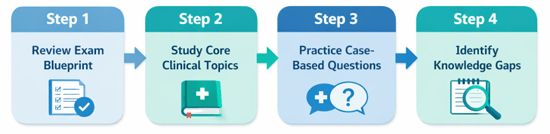
Practice questions and case discussions often reveal topics that require additional review. Candidates can then adjust their study plan to allocate more time to these areas.
Many physicians find it helpful to track incorrect practice questions or maintain a list of challenging topics to revisit during later study sessions.
This approach ensures that difficult concepts are reviewed multiple times before the exam.
Frequently Asked Questions
When should physicians begin studying for the PEM board exam?
Many physicians begin preparing during the final year of fellowship or shortly after completing fellowship training.
How long should candidates study for the Pediatric Emergency Medicine boards?
A preparation period of three to six months is common for many candidates, although the exact timeline varies depending on individual study habits and clinical schedules.
What topics should candidates prioritize when studying?
High-yield topics include emergency conditions, trauma, resuscitation, procedures, and toxicology, which represent a substantial portion of exam questions.
Are practice questions helpful for PEM board preparation?
Yes. Practice questions are particularly helpful because the exam emphasizes clinical reasoning and case-based decision-making.
Next Step: Common Mistakes on the Pediatric Emergency Medicine Board Exam
Even well-prepared candidates can make avoidable mistakes when studying for or taking the PEM board exam.
In our guide, Common Mistakes on the Pediatric Emergency Medicine Board Exam, we discuss preparation pitfalls that candidates should avoid and strategies that can improve exam performance.